Nara Loka is a Teacher of Buddhism (Buddha Dharma)
For many years engaged in education and the popularisation of Buddhism Specialises in Buddhist philosophy and Buddhist psychology.
Author of one of the largest channels on Buddhism in the Russian language.
gate gate pāragate pārasaṃgatebodhi svāhā
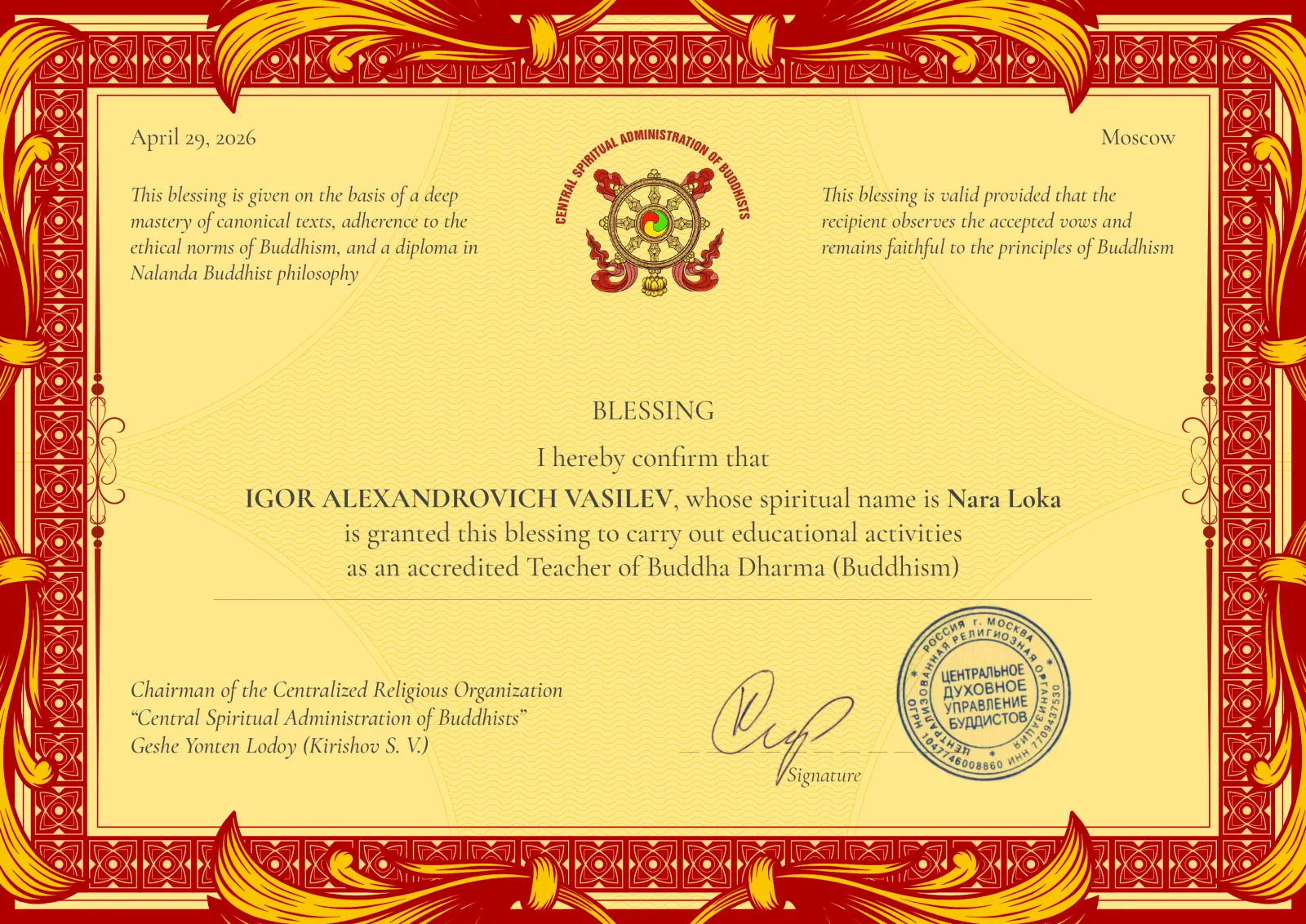
Blessing to Teach (to teach the Buddha Dharma to others) and the status of a Teacher of Buddhism
received by Nara Loka from:
the abbot of the Moscow Buddhist temple “Tubden Shedubling”
the Chairman of the Centralized Religious Organization “Central Spiritual Administration of Buddhists”
a monk of the highest degree of monastic ordination (fully ordained)
Geshe (a degree equivalent to Doctor of Sciences) Yonten Lodoy.
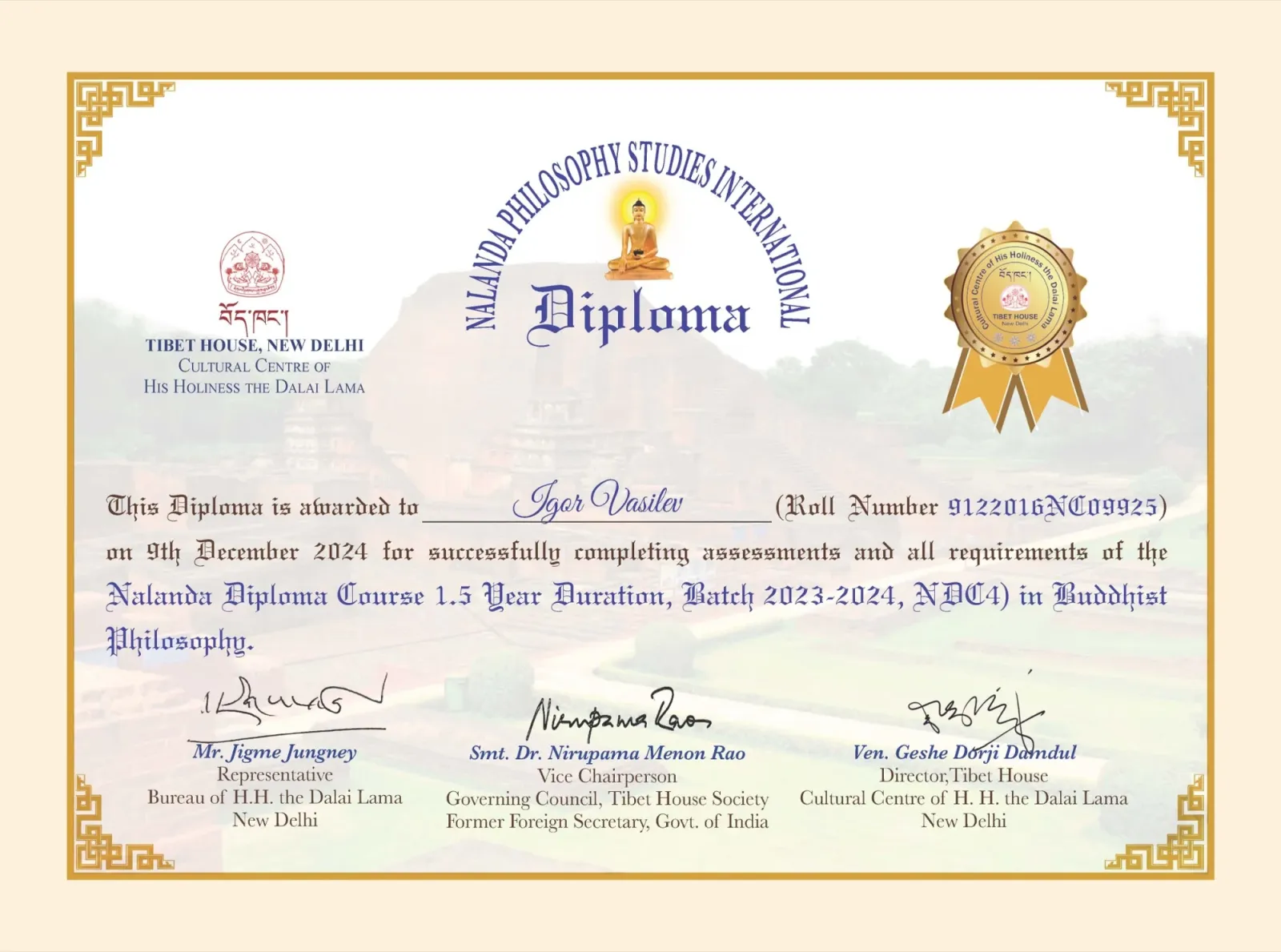
Diploma of education
in the Buddhist Philosophy of the Sanskrit tradition of Nalanda University
under the guidance of Geshe Dorji Damdul
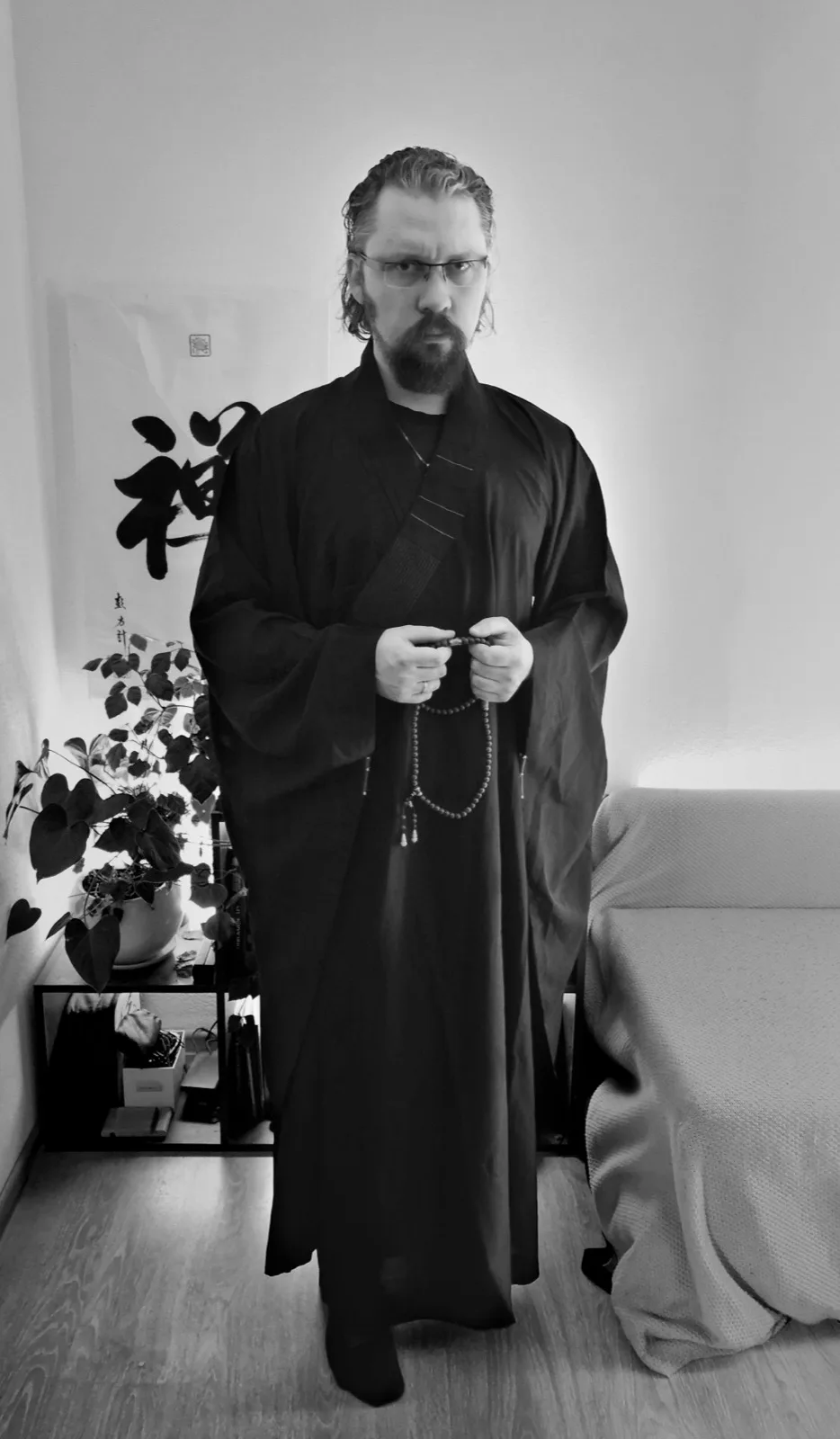
Photos of Nara Loka
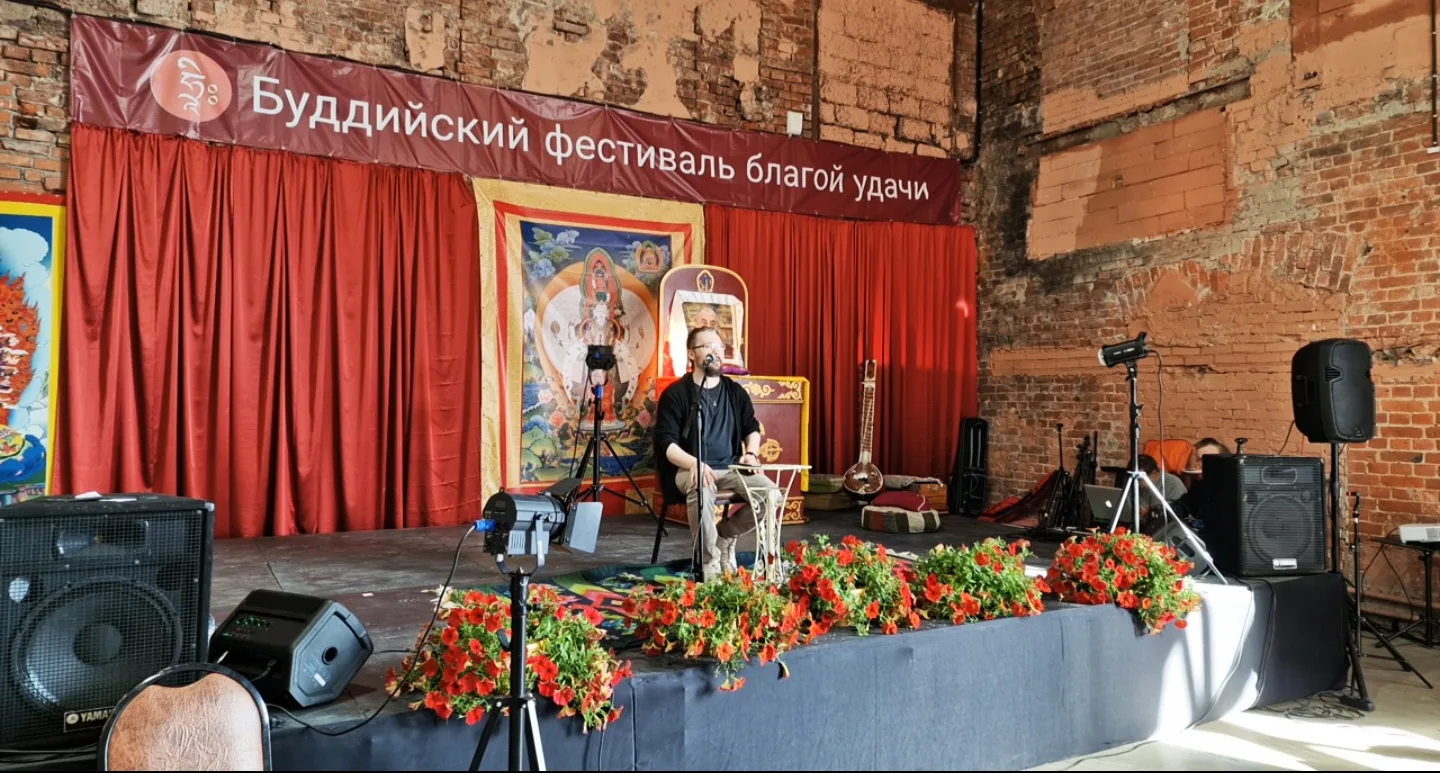
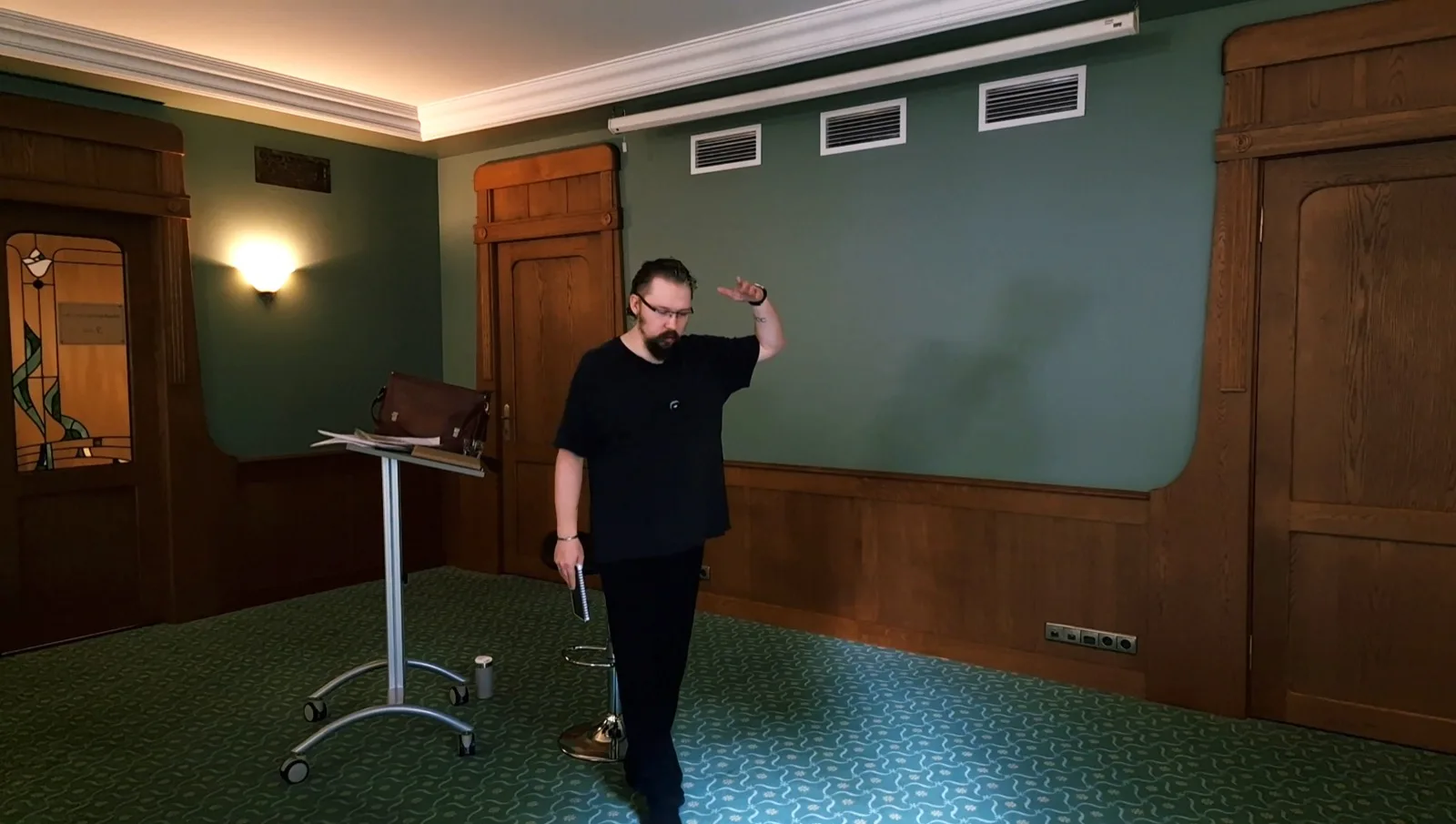
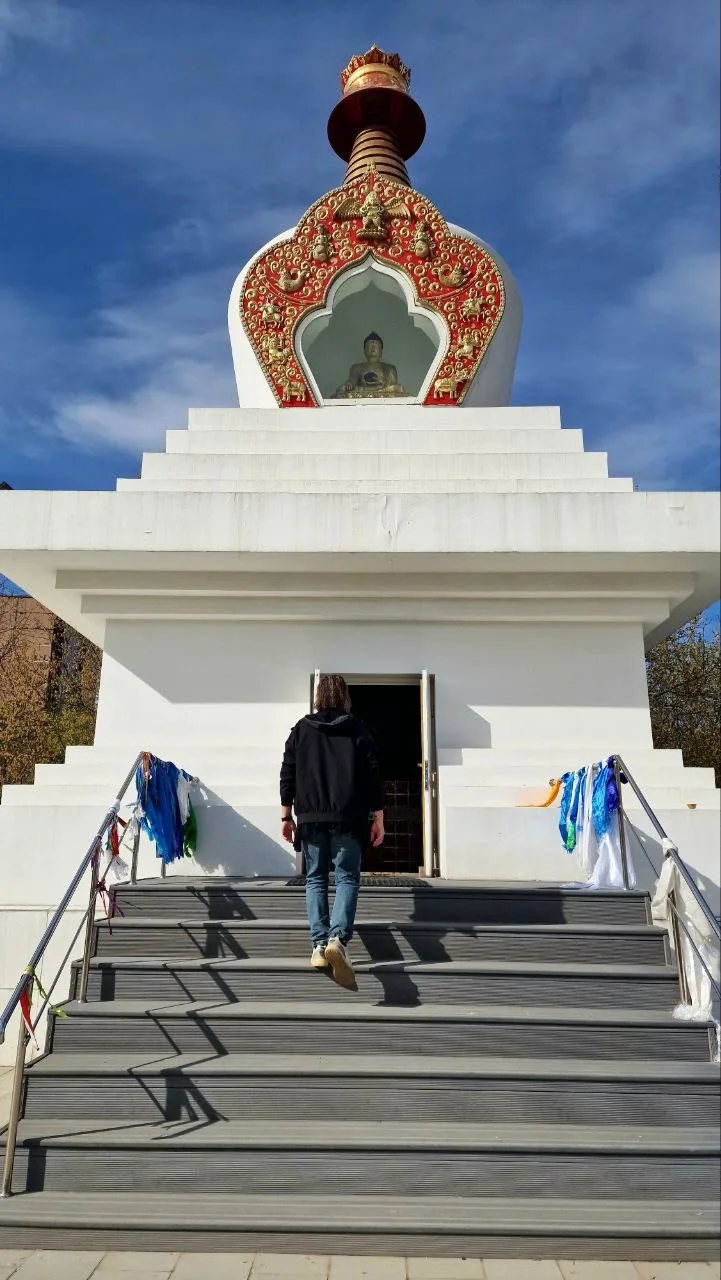
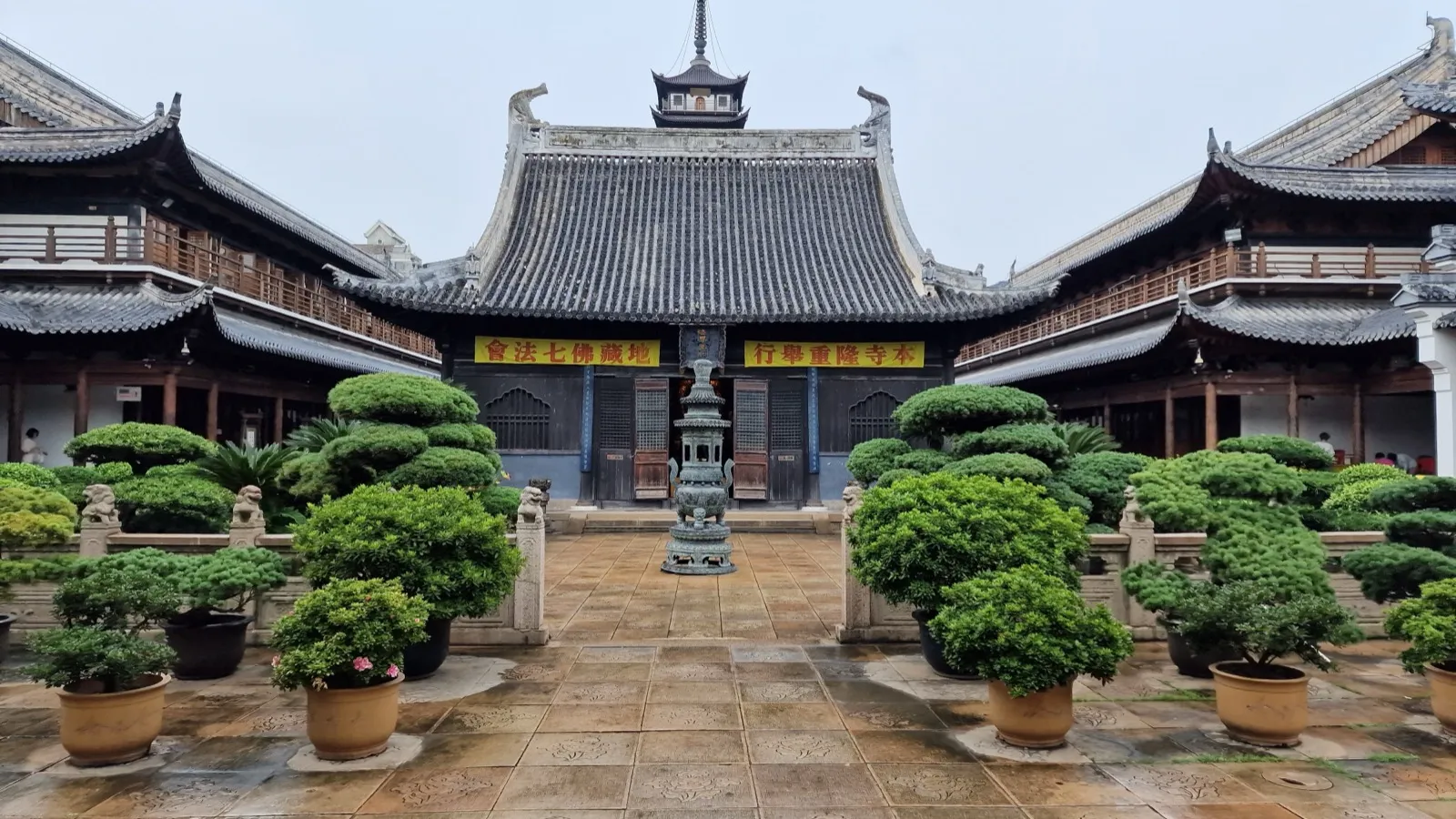
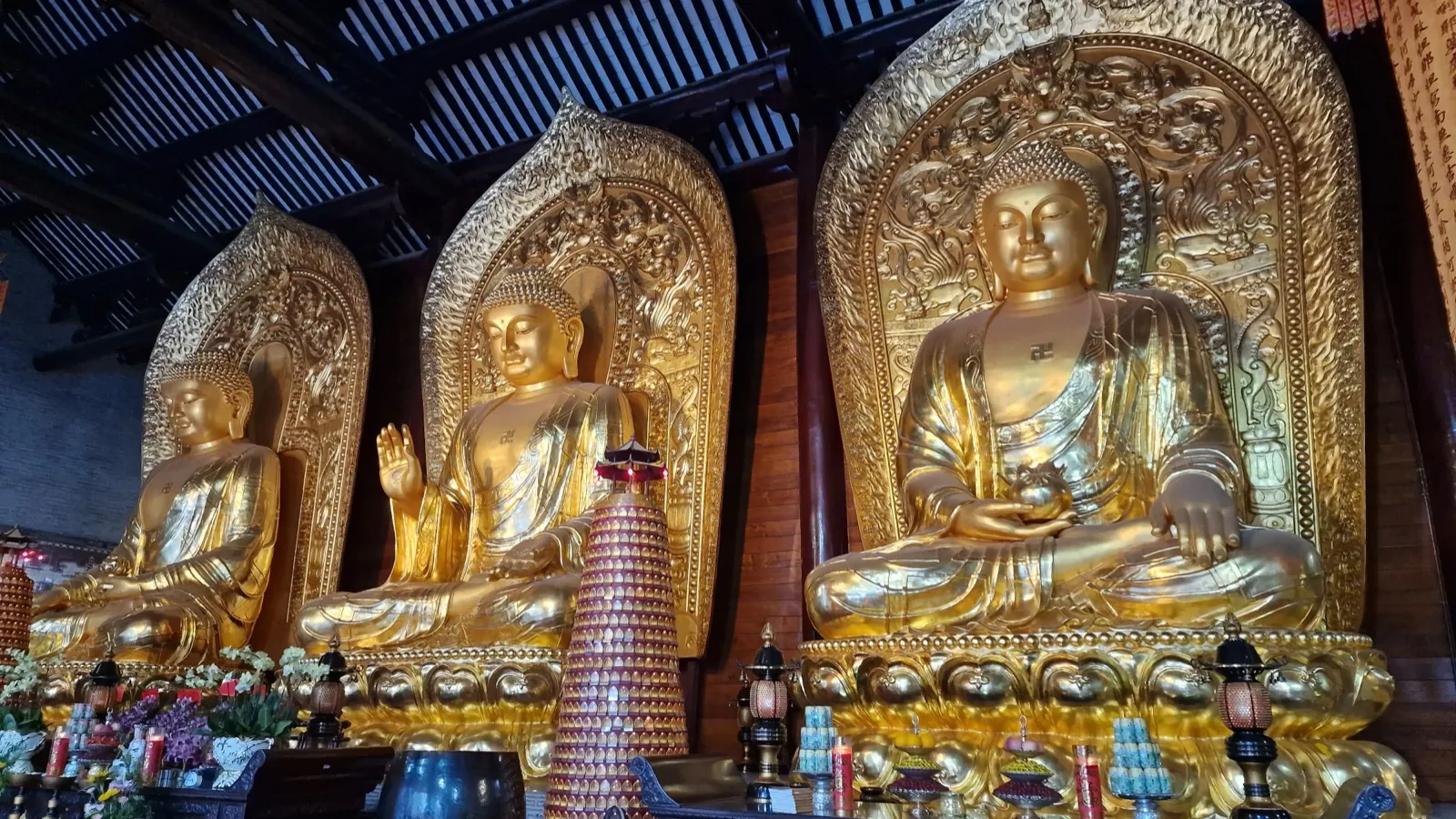
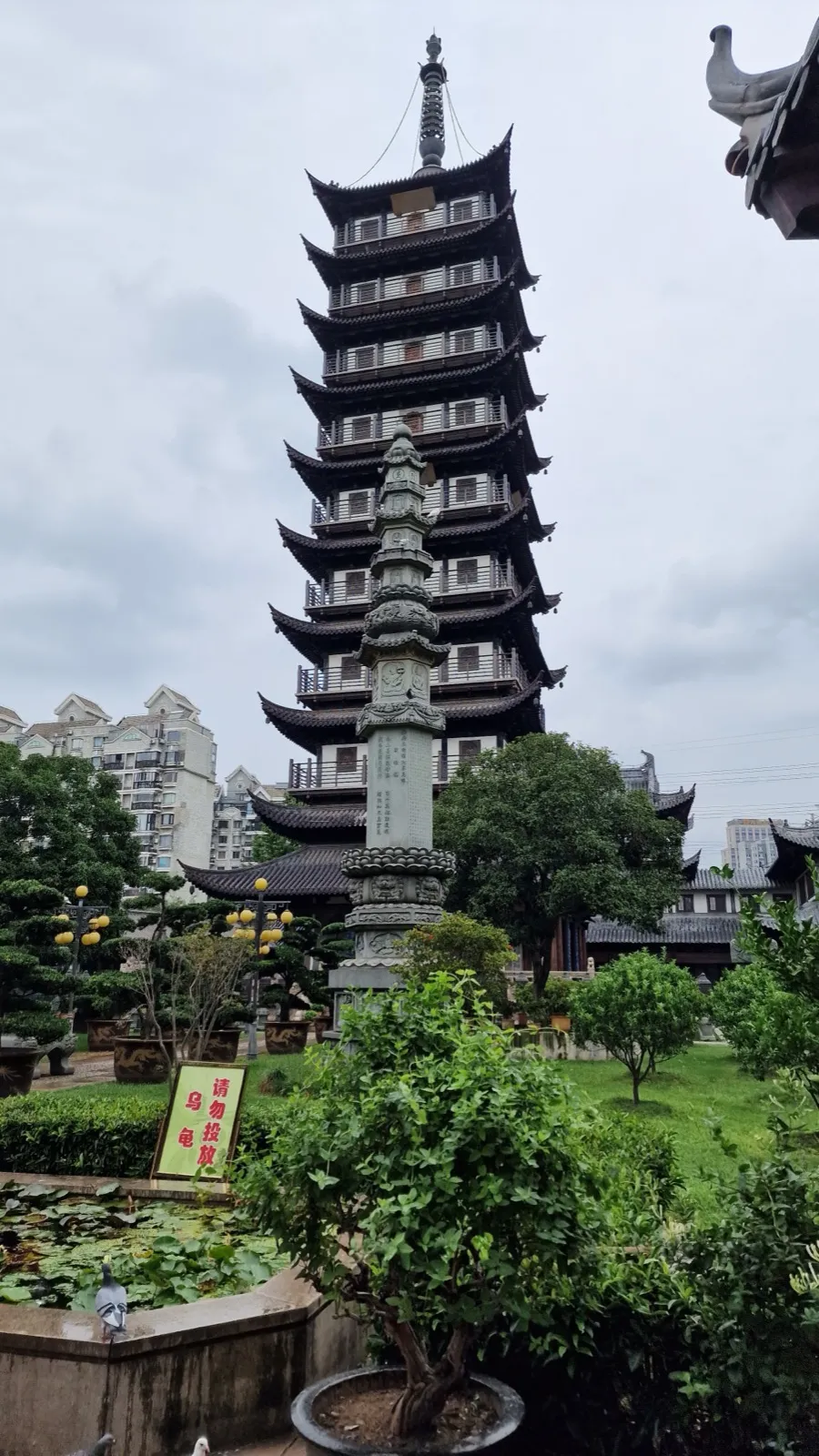
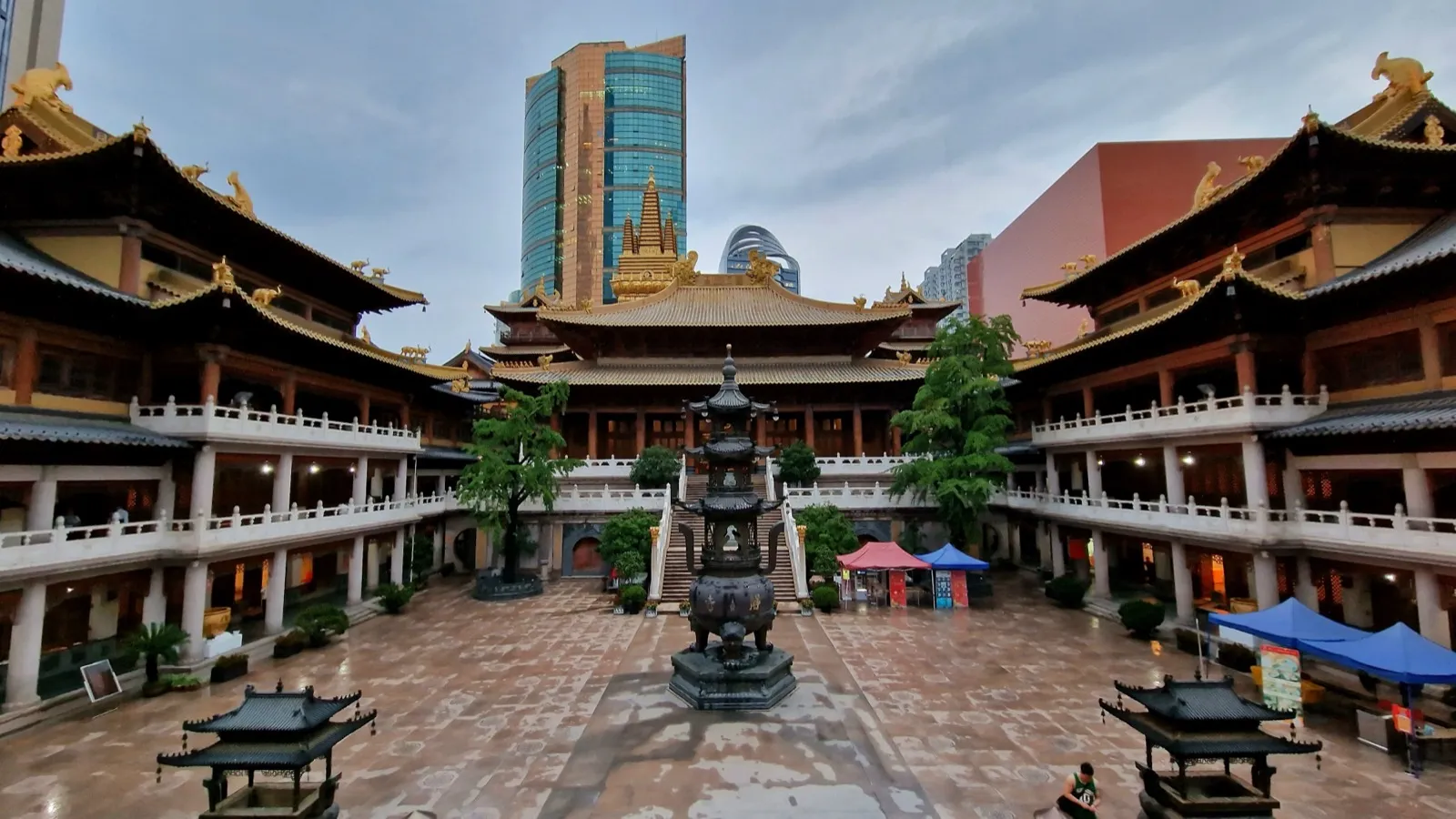
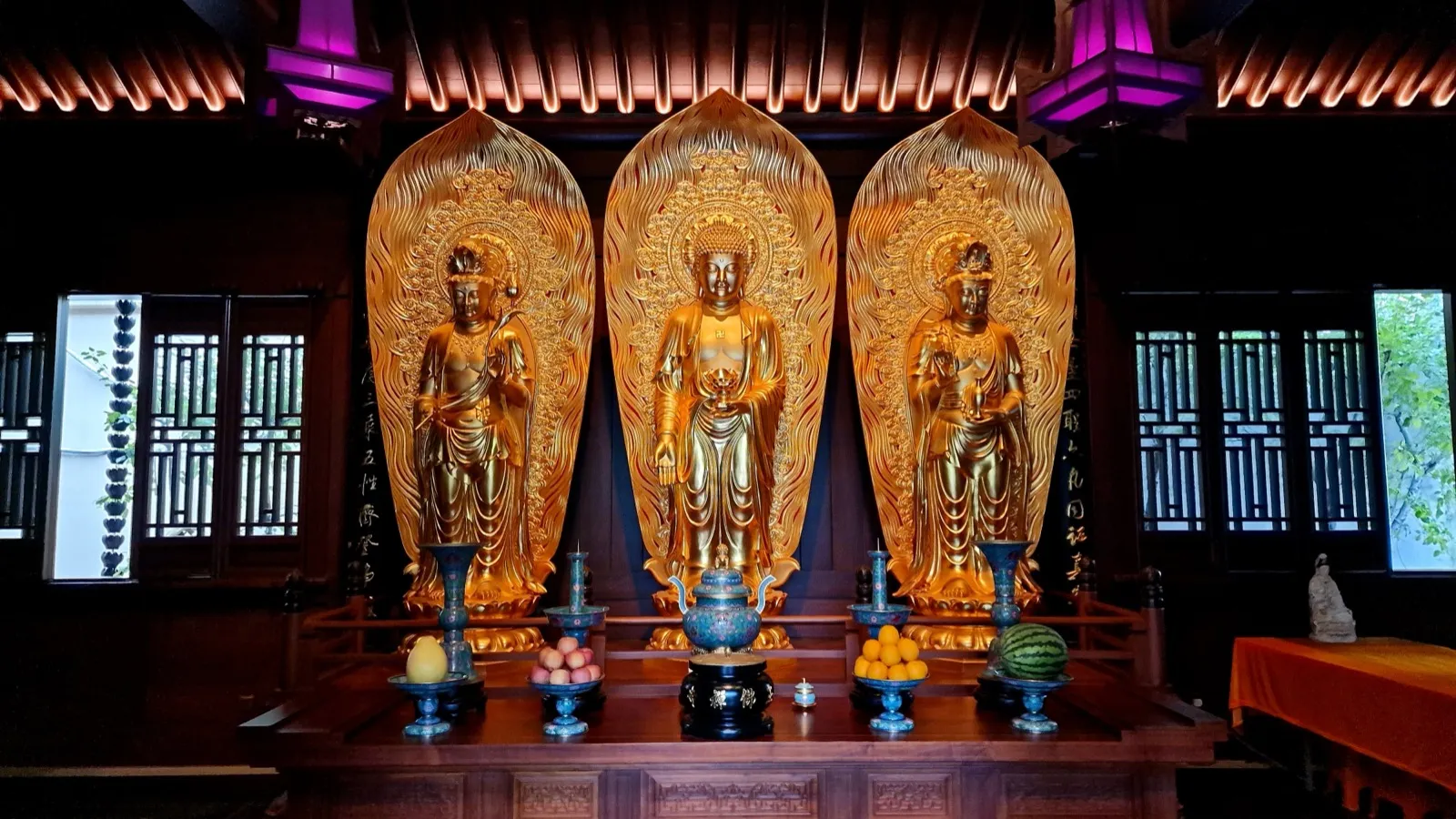

Frequently asked questions about Nara Loka
नर “nara” translates as “human being” (man) or person. Sanskrit has many words for a human being, and this is one of them. In the plural it is “narAH” “नराः”, that is, “people”. लोक “loka” is used together with a qualifying word in the sense of “place”, “sphere”, “world” (for example satya-loka, brahma-loka and others)
Nara Loka (nara loka) means the Human World
Of course, this is something of a stylisation, but the general meaning is preserved. Nara Loka works for the benefit of laymen and laywomen. People living in our world. And when people write “thank you, Nara”, it means “thank you, Human”
Nara Loka does not use neural networks to write materials or to answer people.
There is a separate video on the channel about what neural networks are appropriate for and what they are not.
Mahayana tradition. Rimé approach (although most of his Teachers are from the Gelug school) Philosophy: Cittamatra and Svatantrika Madhyamaka.
A layman (upāsaka), not a monk Has taken the bodhisattva vows (is a bodhisattva)
Has been practising for 24+ years, 10+ of them intensively. Does not practise or study Tantra, only the Mahayana sutras and the Pali Canon.
Nara Loka took the bodhisattva vows and strengthened his Refuge with His Holiness the 41st Sakya Trichen Ngawang Kunga
Hierarch of the Sakya school, founded in 1073. The root teachers of His Holiness were the abbots of Ngor Monastery Ngawang Lodro Shenpen Nyingpo and Khangsar Shabdrung, Lama Ngawang Lodro Rinchen, Dzongsar Khyentse Chokyi Lodro, the great yogi of the Nyingma school Dodrupchen Rinpoche, Pende Khenpo, Sakya Khenpo Jampal Sangpo, Dezhung Rinpoche and the head of the Tsar tradition, Chogye Trichen Rinpoche.
Nara Loka studied Buddhist philosophy with Geshe Dorji Damdul
He studied at the Institute of Buddhist Dialectics, Gyudmed Tantric College and Cambridge University in the UK. He holds the Geshe Lharampa degree (Ph.D.), received at Drepung Loseling Monastic University.
The teacher of Geshe Dorji Damdul was Geshe Yeshe Thabkhe Rinpoche. He was born in 1930 in Lhoka, Central Tibet, and became a monk at Drepung Loseling Monastery at the age of thirteen. After completing his studies in 1969 he was awarded the highest academic degree of the Gelug school of Tibetan Buddhism, Geshe Lharampa. In 1972 Rinpoche became a professor of the Indian tradition of Buddhist philosophy at the Central Institute of Higher Tibetan Studies. Rinpoche is regarded as one of the most outstanding scholars of both the Madhyamaka tradition and Indian Buddhism as a whole. He taught at the School of Buddhist Philosophy in Leh (Ladakh) and at the Sanskrit University in Sarnath.
Nara Loka studied Buddhist philosophy with Geshe Ngawang Samten
He received a master's degree at the Central Institute of Higher Tibetan Studies (CIHTS) in Sarnath, and then the Geshe Lharampa degree at Ganden Monastery in India. Geshe Ngawang Samten worked as a lecturer in the research department and then as a professor in the Department of Buddhist Philosophy at CIHTS. From 2001, for more than 20 years, he served as Director and Vice-Chancellor of the institute. He has also been a visiting professor at universities in the USA, Australia and Austria.
In 2009 the President of India awarded him the Padma Shri, one of the country's highest civilian honours, in recognition of his contribution to education and literature. In 2016 the Government of India gave Geshe Ngawang Samten the Vesak Samman award in recognition of his outstanding contribution to the preservation, development and promotion of Indian philosophy, art and culture in India and abroad, and for his great contribution to spreading Buddhist studies and creating academic institutions.
Nara Loka received the blessing to Teach from Geshe Yonten Lodoy
Born in Kalmykia. He trained at the Central Khurul of Kalmykia. From 2006 to 2016 he studied at the Drepung Gomang Buddhist University in India, one of the largest Buddhist monasteries.
In October 2023, at Drepung Gomang Monastery, he received the title of Geshe (Doctor of Buddhist Philosophy). He became the second Buddhist monk from Kalmykia in modern history to receive this title. From 2019 to January 2024 he headed the administration of the Central Khurul of the Republic of Kalmykia “Golden Abode of Buddha Shakyamuni”. He is the Chairman of the Centralized Religious Organization “Central Spiritual Administration of Buddhists”. Member of the Council of the Moscow Buddhist Community, the Civic Chamber of Russia, the Civic Chamber of the Republic of Kalmykia and the Council for Interaction with Religious Associations.
Abbot of the Moscow Buddhist temple “Tubden Shedubling”
Nara Loka has also learned from the lectures of such contemporary Teachers as Geshe Yonten Sodnam, Bhikkhu Bodhi, Dr. B. Alan Wallace, the 14th Dalai Lama, Mingyur Rinpoche, Dr. Alexander Berzin, Pema Chödrön, Thubten Chodron and others.
He studies the Pali Canon extensively and in depth.
Nara Loka consistently and constantly speaks out against creating discord between the traditions of Buddhism and defends all schools.
He insists on the importance of unity while preserving diversity. He considers the diversity of Buddhism a positive feature and an advantage, since different methods suit different people.
He advocates a respectful attitude towards all the world's traditional religions, interfaith dialogue, and harmonious, conflict-free coexistence.
The main focus of Nara Loka's work is education and the popularisation of Buddhism (Buddha Dharma) for a wide audience. Few people do this, and in this way much more benefit can be brought.
That is, not individual lessons with a small group of people, not “leading by the hand” a few people with personal video calls and long private conversations, but continuing the work for many thousands of people.
Since Nara Loka teaches only Sutra (not Tantra),
- there is no guru yoga on the path of sutra
- there are no initiations as in Tantra
- everything is open (exo-teric), not secret
- the lectures are open to everyone.
As a result, the relationship between Teacher and student is different, not the same as in Tantra. And anyone for whom the Teacher's way of explaining is suitable can say that they study with Nara Loka. Because that is simply how it is. This is standard and acceptable on the path of Sutra.
Although such learning is closer to “an auditing student attending a lecturer's classes, with occasional questions and answers”.
Why does this sound unusual?
- In the West Tantra is very widespread, and we are used to expecting the approach of the Secret Mantra vehicle rather than the Sutrayana.
- And in the texts of the past, from the life of the Buddha himself to the beginning of the 20th century, most people could not read, there were no planes or trains, and the only way to gain knowledge was to physically reach the Teacher. Even in the 20th century, right up to the 21st, there was no Internet. There were no chats, email, video recordings or live streams.
So of course one could exchange paper letters, but again it was better to travel in person.
But now it is a different era, and it is good for us to be Buddhists of the 21st century: thanks to the miracle of technology, the Internet, we can attend lectures live as if we were in the same room, watch video recordings and correspond within seconds. Therefore on the path of Sutra one can study with someone without being physically nearby.
[An important digression: in Tantra, Dzogchen, Mahamudra and sudden-awakening Chan this is not so. There it is necessary to be physically near the Teacher.]
And thanks to planes and trains, one can even come to lecture meetings in person when there is an opportunity.
For people who:
- are already Buddhists who have taken Refuge and are more experienced practitioners
- have watched most of the videos and find the style of explanation and teaching suitable.
For them, more personal communication with the Teacher is provided, free of charge, in chats and by email in private correspondence
Donations
Huge gratitude to everyone who supports my work with donations.
There is not and will never be any third-party integrated advertising on the channels.
I do not sell “paid personal consultations” All my videos and podcasts are open and free for everyone
The channels exist only thanks to your generosity and support.